2026 Symposium
Game On: The Science of Human Performance in Sports and Beyond
November 12th
sponsored by the NYU LANGONE HEALTH institute for systems genetics
Location: NYU Langone Science Building, SB 103
SCHEDULE
GAME START | 1:15 PM
1:30 - 2:10 pm Jenny Hoffman, PhD - “Curiosity & Compulsion: In the Lab & on the Road”
2:10 - 2:50 pm Wayne Mackey, PhD - “Gaming Decoded: The Neuroscience of Competitive Performance”
HYDRATION BREAK | 2:50 - 3:10 pm
3:10 - 3:50 pm David Putrino, PhD - “From Bedside to Battlefield: Understanding the Full Spectrum of Human Performance in Sickness and Health”
3:50 - 4:30 pm Lauren Borowsi, PhD - “The Long Game: Lessons from Olympic Athletes on the Pursuit of Excellence”
OVERTIME | 4:35 pm + RECEPTION & RAFFLE
Speakers
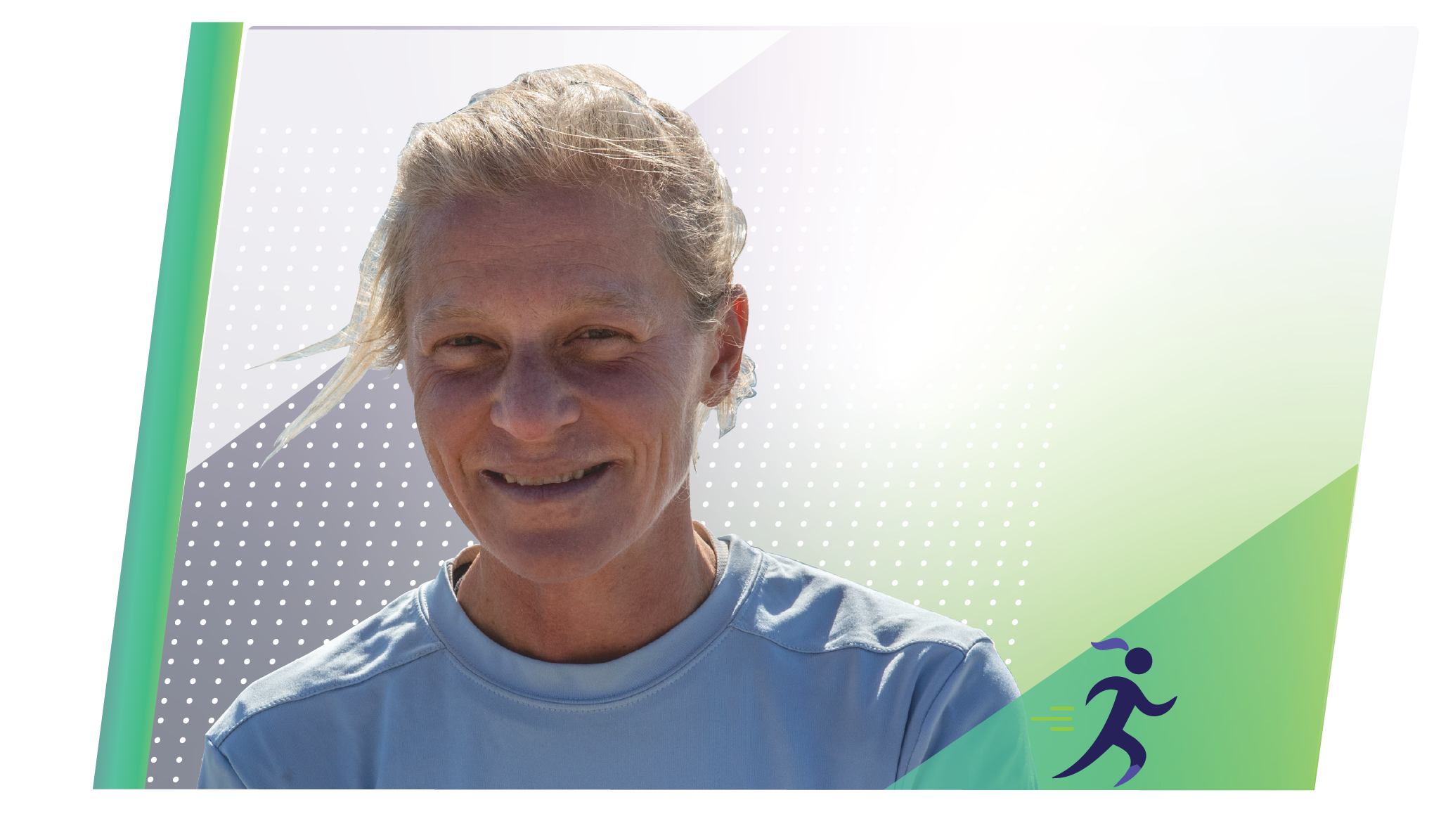
Jenny Hoffman, PhD
Hoffman completed her PhD in Physics at the University of California, Berkeley in 2003, with Prof. Séamus Davis using scanning tunneling microcopy to investigate electronic ordered states in the high-Tc cuprate superconductor Bi2Sr2CaCu2O8+x. She was a postdoctoral fellow with Prof. Kathryn Moler at Stanford University, where she used magnetic force microscopy to investigate vortex pinning in superconductors. Hoffman joined the faculty in the Physics Department at Harvard University in 2005. At Harvard, her research combines atomic layer-by-layer growth and atomic resolution imaging of materials, to uncover new physics and applications inaccessible via bulk synthesis and probes. Her group has used molecular beam epitaxy (MBE), scanning tunneling microscopy (STM), and magnetic force microscopy (MFM) to synthesize, image, and manipulate electron pairing and vortex pinning in high-Tc superconductors, the metal-insulator transition in VO2, and the band structure of the topological materials such as SmB6. Recently, they have used acoustic metamaterials as a test ground to understand, invent, and prototype new quantum materials. Hoffman is the recipient of several awards, including the United States Presidential Early Career Award for Scientists and Engineers, the National Science Foundation CAREER Award, the Sloan Fellowship, the Radcliffe Fellowship, the Moore Foundation Experimental Investigator Award, the Canada Excellence Research Chair, and most recently the Clowes Professorship of Science at Harvard University. Hoffman is the author of more than 50 peer-reviewed papers with more than 8000 citations. She is best known for her introduction of quasiparticle interference imaging to determine the electronic band structure of complex materials.
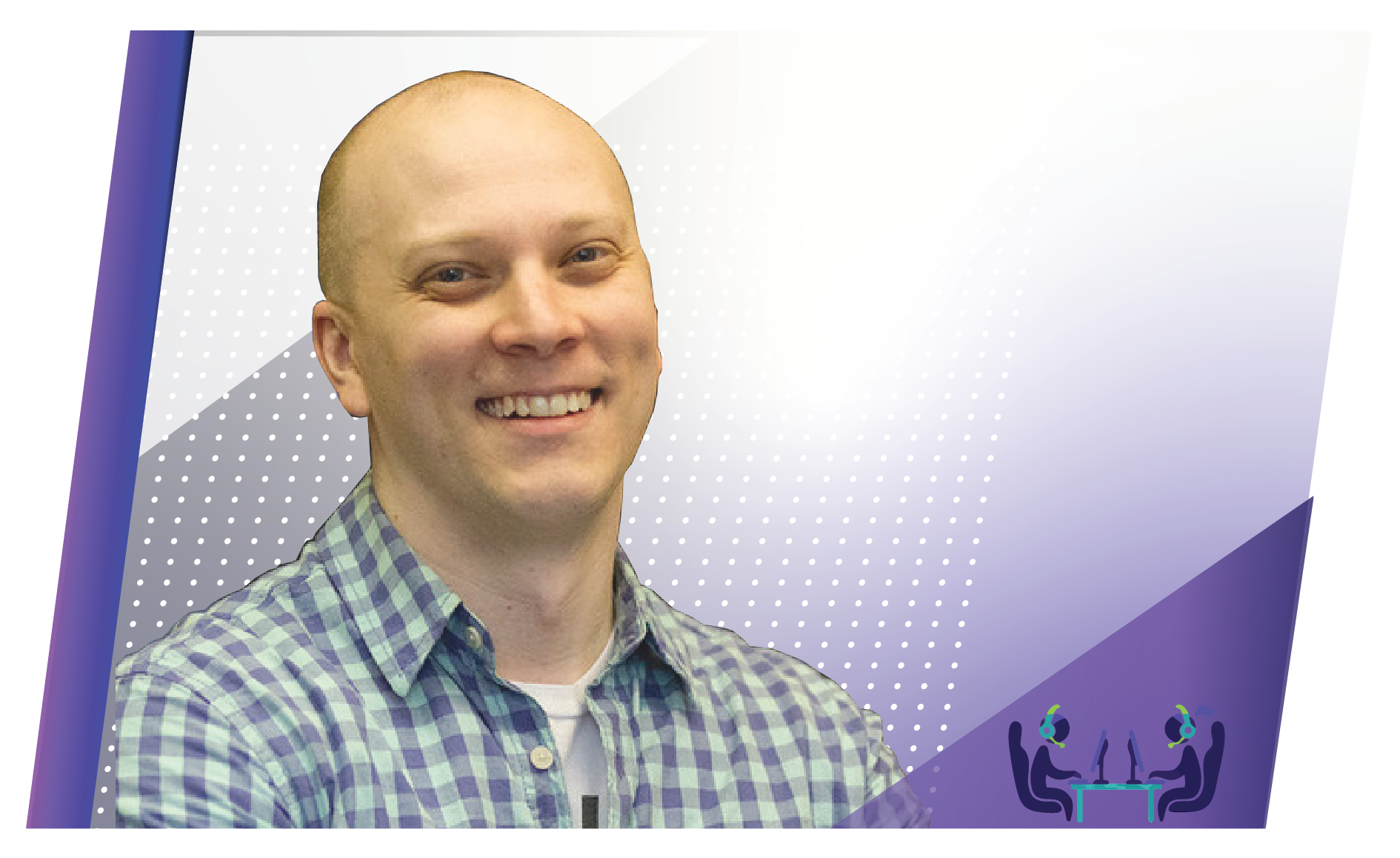
Wayne Mackey, PhD
Wayne Mackey is a neuroscientist, former MMA fighter, lifelong gamer, and the founder and CEO of Statespace, the company behind Aimlabs. His work sits at the intersection of neuroscience, sports science, and gaming—using the tools scientists and elite athletes use to understand human performance to measure and improve skills such as reaction time, focus, and hand-eye coordination. Raised in Youngstown, Ohio, Wayne taught himself to code as a teenager because he wanted to build better games. After more than a decade working in sales and management, he returned to school in his mid-twenties, eventually earning a PhD in Cognition and Perception from NYU, where his research led to the identification and naming of a previously unknown region of the brain. Wayne’s path to Statespace was shaped by two lifelong passions: gaming and MMA. Gaming taught him to recognize the subtle differences between great players and everyone else, while MMA taught him that human performance can be measured, trained, and pushed beyond perceived limits. When he realized that esports lacked rigorous tools for measuring and developing player skill, he began building a system to bring a sports-science approach to gaming. That prototype went on to win an NYU startup competition and became the foundation for Statespace. Today, Statespace has raised more than $100 million in venture funding, and Aimlabs has been used by more than 50 million players around the world. Wayne continues to explore a fundamental question at the heart of both science and sport: how can we understand human performance well enough to measure it, train it, and push its limits?
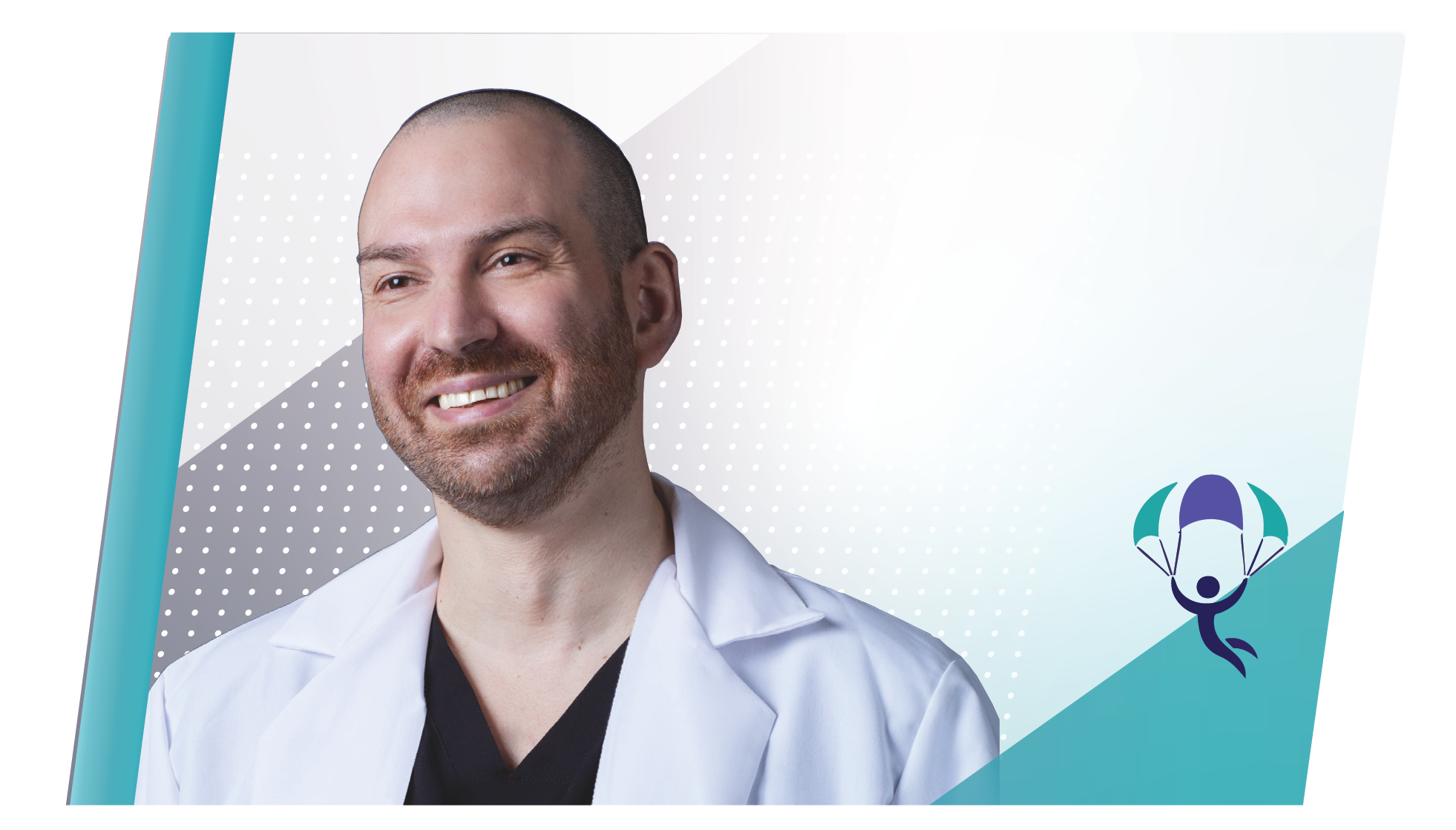
David Putrino, PhD
David has a PhD in Neuroscience. He worked as a clinician in Australia, before moving to the United States to study computational neuroscience at Harvard Medical School, MIT and NYU. He has previously served as a faculty member at Weill-Cornell Medicine and Burke Medical Research Institute. He is currently the Director of Rehabilitation Innovation for the Mount Sinai Health System, and a Professor in the Department of Rehabilitation and Human Performance at the Icahn School of Medicine at Mount Sinai. He works to develop innovative technology solutions for individuals in need of better healthcare accessibility, works in high performance environments to enhance skill performance in athletes and other elite operators and conducts implementation research to rapidly translate research innovations into standard clinical practice. He has authored over 150 peer-reviewed journal articles as well as several books and book chapters. In 2019, he was named "Global Australian of the Year" for his contributions to healthcare.
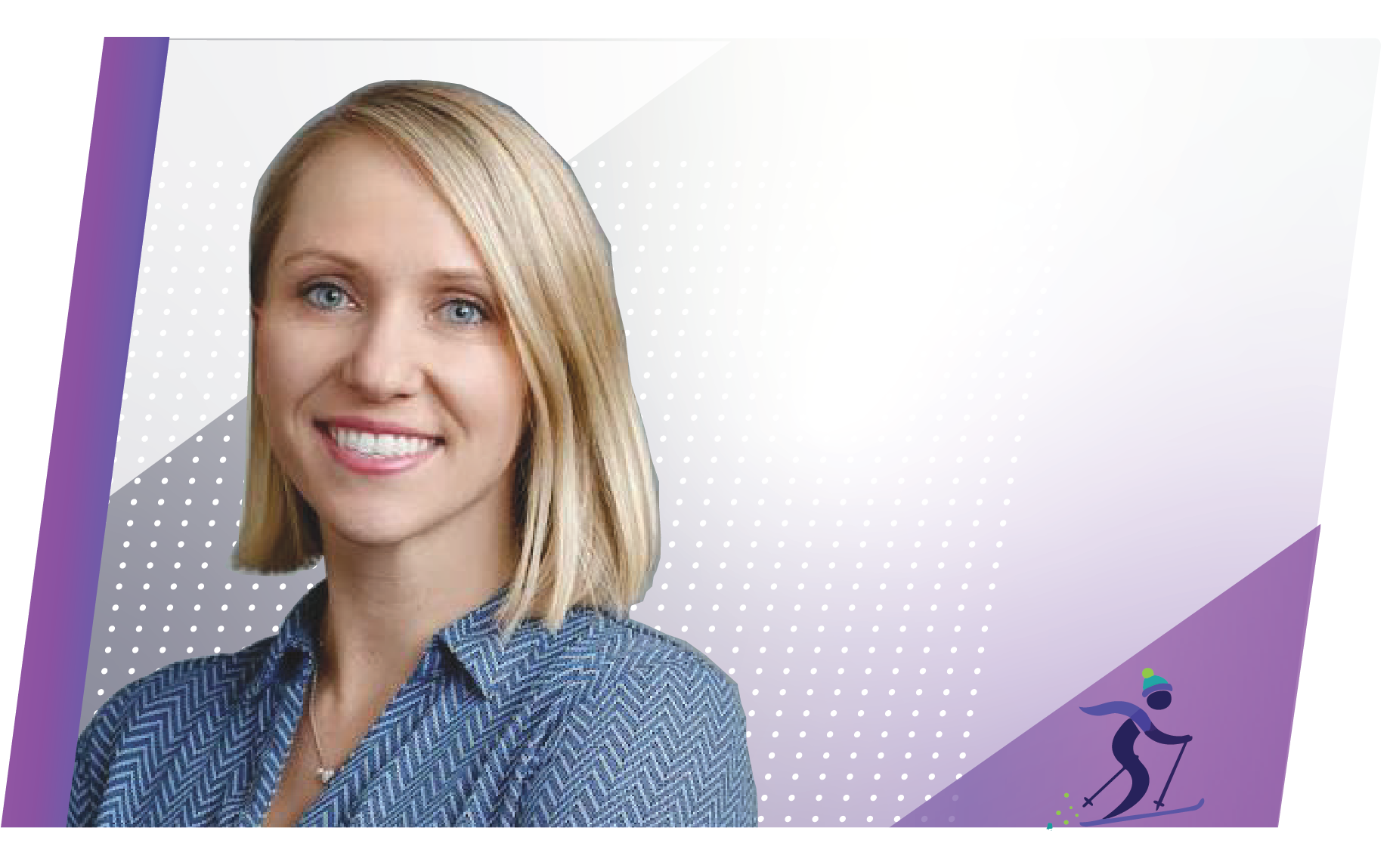
Lauren Borowsi, MD
I was always interested in science as a child, but I also had a deep love for the performing arts, specifically dance. During my freshman year of college at NYU Tisch School of the Arts, I realized I could combine these passions through the specialty of sports medicine. As a primary care sports medicine specialist, I treat people who have a variety of musculoskeletal conditions. I see both athletes and nonathletes of all ages and skill levels at NYU Langone’s Sports Medicine Center. From my training in primary care family medicine, I’ve learned to see my patients as more than just a swollen knee or a fractured finger. I believe it's important to step back and look at a person holistically. This allows me to see what medical or social issues my patients might have as a result of or in addition to their injury. I try to take these issues into account and provide a treatment plan that addresses all of their needs. My goal is to keep people active, encourage them to lead healthy lifestyles, and help them return to the activities they enjoy. In 2020, I became the head team physician for the USA Men’s Ski Jumping Team. I also serve as the medical director for Convent of the Sacred Heart and the athletics department at Baruch College and Yeshiva University.